The Complete Guide to Pallet Liquidation: Advice for Savvy Buyers
Pallet liquidation provides a distinctive advantage for purchasers looking for reduced-price stock. Understanding the nuances of this market is essential for success. From locating trustworthy sources to assessing item quality, the approach demands thorough evaluation. Moreover, circumventing typical errors can considerably affect projected returns. As business owners investigate the numerous approaches to successful reselling, they must also be aware of the inherent risks involved. The following actions may shape their strategy for optimizing profits.
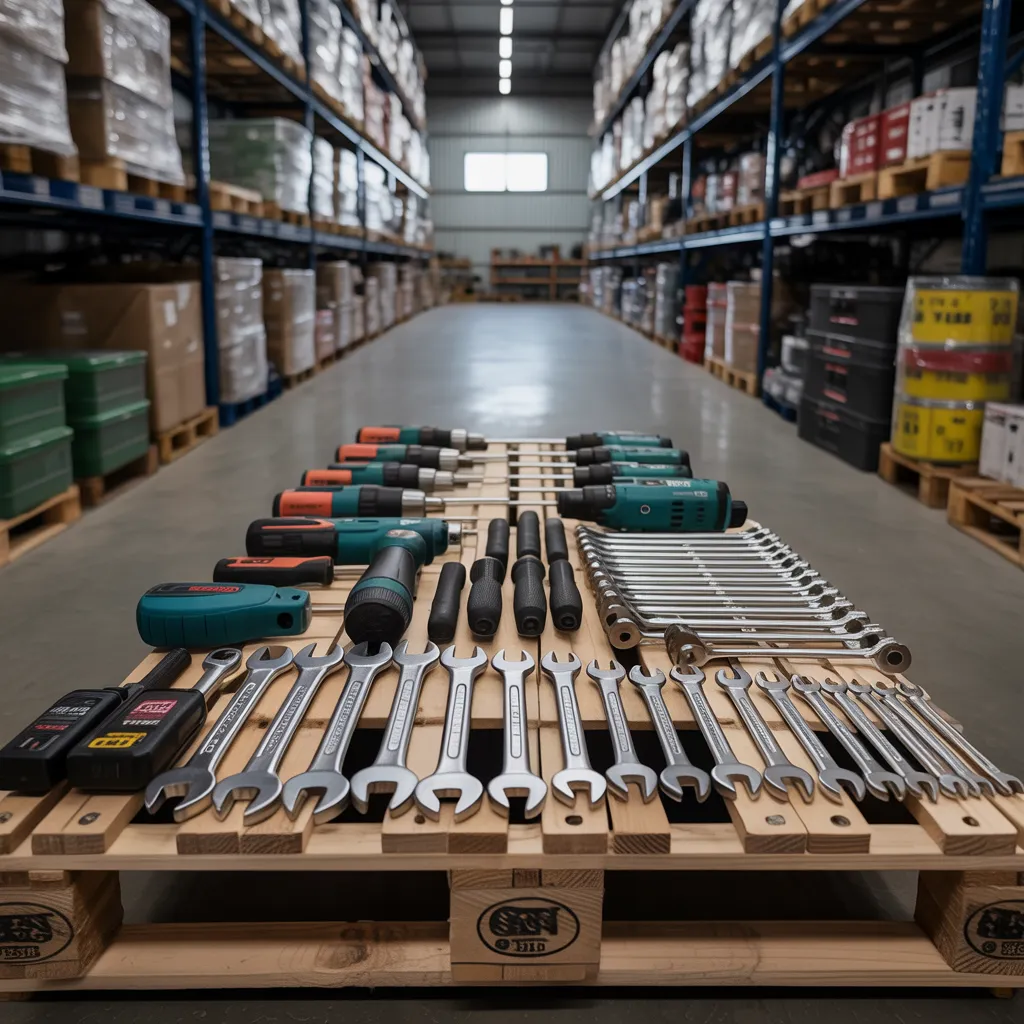
A Guide to Pallet Liquidation: What It Is and How It Functions
Pallet liquidation functions as a practical solution for businesses to manage excess inventory efficiently. This approach includes the sale of substantial volumes of unsold products, commonly organized on pallets, to buyers and resellers. Businesses dealing with overstock or discontinued items frequently resort to liquidation to recover some of their initial investment.
Liquidation pallets may consist of a diverse range of merchandise, including clothing, electronics, or household goods, acquired from a range of retailers. Individual entrepreneurs and small businesses, along with other buyers, buy these pallets with the intention of reselling the items for a profit.
The liquidation procedure often occurs through auctions or direct sales, offering a quick resolution for companies seeking to reduce their stock. Grasping the fundamentals of pallet liquidation is vital for sellers striving to improve their inventory management linked article as well as buyers pursuing lucrative resale opportunities in a demanding marketplace.
Primary Benefits of Purchasing Liquidation Pallets
When entrepreneurs seek cost-effective ways to stock their businesses, acquiring liquidation pallets commonly presents itself as an appealing solution. A key advantage is the opportunity for substantial cost reductions, as such pallets are commonly available at a significantly reduced cost compared to retail. This allows businesses to acquire inventory at low costs, enhancing profit margins.
Moreover, liquidation pallets commonly feature a diverse array of products, providing buyers with the option to present a varied selection to their customers. This diversity can engage multiple consumer segments and boost sales.
Moreover, purchasing liquidation pallet lots can yield exceptional finds, including scarce and discontinued goods, which can give a business a competitive edge. At the end of the day, the ability to efficiently restore inventory levels through liquidation buying can strengthen stock management and reaction to market changes. All things considered, these advantages make liquidation pallets a compelling option for savvy entrepreneurs.
Choosing the Right Liquidation Platform: Essential Factors to Evaluate
Selecting the ideal platform for buying liquidation pallets is crucial for making the most of these budget-friendly inventory options. Shoppers need to examine several critical elements when identifying the right platform. Initially, trustworthiness plays a significant role; reputable platforms generally offer more consistent products and services. Next, transparency in pricing and fees helps buyers make informed decisions without hidden costs. Moreover, the range of accessible products can significantly influence potential earnings; platforms with varied stock frequently serve a wide array of market demands.
Customer support is another essential factor; timely help can aid buyers in resolving obstacles. Finally, customer feedback and scores provide valuable information from fellow buyers, assisting in evaluating the trustworthiness of the marketplace. By evaluating these elements, shoppers can strategically place themselves to make wise purchases of liquidation pallets, securing a rewarding acquisition process.
How to Check Liquidation Pallets Like a Pro
Within the realm of pallet liquidation, comprehensive inspection and market knowledge are vital for prosperity. A professional approach begins with examining the condition of pallets before purchase, guaranteeing that inherent worth is acknowledged. Additionally, understanding the market value of items within these pallets can lead to informed decisions and better profit margins.
Check Before Purchasing
Inspecting liquidation pallets prior to buying is vital for savvy buyers looking to get the most from their purchase. A meticulous inspection enables buyers to determine the quality and condition of the items contained within. First, they should check for visible damage, such as broken packaging or dents, which could suggest problems concerning the product. Furthermore, buyers must verify the number of items against the manifest, confirming all items are accounted for. Buyers should also inspect high-value items closely, as these can greatly impact total profit margins. Finally, knowing the return policy of the liquidation company can give extra peace of mind. By performing a careful evaluation, buyers can reach knowledgeable conclusions that enhance their chances of success in the resale market.
Analyze Market Value
Once you have completed a thorough inspection of liquidation pallets, the next step requires determining their market value. This critical phase allows buyers to identify likely returns. To measure the market price, buyers should research similar items online through platforms such as eBay, Amazon, or dedicated liquidation platforms. Checking completed sales can shed light on market pricing patterns and buyer demand. Additionally, reviewing industry publications and discussion boards can better clarify the current market landscape. Buyers should also consider factors such as item condition, brand standing, and seasonal demand, as such factors significantly impact secondary market pricing. By carrying out careful market analysis, buyers can reach educated choices, helping them allocate resources effectively and optimize their gains on liquidation pallets.
Key Mistakes to Avoid When Buying Liquidation Pallets
Although many buyers are eager to dive into the world of liquidation pallets, various typical missteps can cause frustrating buying experiences. A major mistake is neglecting to investigate the seller's credibility. Buyers should verify reviews and feedback to confirm they are dealing with a trustworthy source. Additionally, neglecting to inspect pallet manifests can result in unexpected surprises. Buyers should always review the item list to gauge potential value.
One other common error is not setting a budget. Impulsive buying can swiftly drive up costs, leading to financial strain. Purchasers should also be careful not to ignore shipping fees, which can eat into potential profits.
Ultimately,many newcomers fail to account for the time and energy needed for organizing and reselling products. Realistic expectations and careful planning are crucial to prevent disappointment. By avoiding these missteps, shoppers can elevate their liquidation pallet experience and make smarter decisions.
Smart Strategies for Reselling Liquidation Pallets
Successfully reselling liquidation pallets requires a strategic approach that goes beyond simply purchasing them. An experienced reseller starts by carefully assessing the contents of every pallet, identifying items with potential resale value. Studying market patterns and buyer demand can assist in determining which items are most likely to move fast and generate revenue.
Next, building an internet presence via channels like eBay, Amazon, or social media can considerably improve your audience. Developing attractive posts with detailed photographs and detailed descriptions attracts prospective purchasers. Moreover, setting competitive prices while including shipping fees can generate quicker transactions.
Networking with other resellers can deliver useful perspectives and collaborative possibilities, improving long-term success. Consistently tracking inventory turnover helps resellers refine their methods based on results, maximizing their investment potential. By utilizing these methods, resellers can confidently operate within the liquidation market and boost their overall profitability.
Identifying Risks in Pallet Liquidation: Key Tips
In the domain of pallet liquidation, recognizing potential risks is critical for achieving success. Important considerations such as assessing product condition, researching seller reputation, and assessing shipping costs can greatly impact outcomes. By prioritizing these elements, buyers can reach more educated decisions and lower potential risks.
Comprehend Product Condition
Evaluating the condition of products is essential for anyone involved in pallet liquidation, as it has a direct effect on possible returns. Buyers must differentiate between new, used, and damaged items inside the lots. Unused items generally provide better profit margins, while used items could necessitate repairs or refurbishment. Damaged products present considerable challenges, as they may not sell at all or might cause economic drawbacks. A comprehensive evaluation of each item is critical, including assessing working condition, cosmetic flaws, and entirety. Furthermore, knowing the return guidelines of sellers can offer additional clarity on possible challenges. By accurately evaluating item quality, purchasers are able to make well-reasoned choices, ultimately maximizing their profits and reducing avoidable setbacks in the resale journey.
Examine Seller Trustworthiness
A detailed knowledge of product condition sets the stage for another critical aspect of pallet liquidation: researching seller reputation. Buyers ought to find sellers with an established history of dependability and openness. This includes checking online reviews, testimonials, and ratings from previous customers. A reputable seller often provides accurate descriptions of their pallets, along with detailed photographs. Additionally, engaging in forums or social media groups dedicated to pallet liquidation can yield valuable insights about potential sellers. Buyers must also be alert to sellers who are unclear about their policies or historical performance. By thoroughly vetting sellers, buyers can minimize risks and enhance their chances of successful purchases in the pallet liquidation market.
Analyze Shipping Costs
Freight costs can considerably influence the overall profitability of pallet liquidation purchases. Shoppers should diligently examine these fees, as they can vary markedly based on shipment size, distance, and copyright. A comprehensive knowledge of likely shipping costs allows buyers to make informed decisions when choosing pallets. Furthermore, unexpected surcharges, such as fuel or handling fees, can additionally increase expenses. It is critical to collect shipping rates from multiple carriers to compare rates effectively. Shoppers may also want to look into nearby pickup arrangements, which may lower expenses and minimize risks associated with extended-distance freight. Ultimately, accurately estimating transportation fees guarantees that buyers maintain profitability in their pallet liquidation ventures, making it a key aspect of the purchasing process.
Common Questions and Answers
What Is the Best Way to Determine the Value of a Liquidation Pallet?
To assess the value of a liquidation pallet lot, assess its merchandise, investigate prevailing market values, consider condition and demand, and estimate potential resale profits. Thorough evaluation ensures knowledgeable purchasing decisions and optimizes overall potential returns.
Am I Able to Return a Pallet if I'm Unhappy With It?
Most liquidation pallet purchases are final, and return requests are usually denied. Customers should diligently read through all terms and conditions before completing a purchase, ensuring they understand the risks involved and potential for unsatisfactory items.
What Types of Items Are Commonly Included in Liquidation Pallets?
Liquidation pallets often contain a wide variety of items, including electronics, clothing, home goods, toys, and appliances. The exact products differ depending on the retailer, but buyers can expect both new and returned merchandise in varying conditions.
Are There Any Fees Associated With Buying Liquidation Pallets?
Absolutely, costs connected to acquiring liquidation pallets can consist of shipping fees, processing fees, and sometimes a buyer's fee. These added fees vary by vendor and ought to be included in the overall purchasing decision.
How Can I Find Local Liquidation Sales or Auctions?
To discover local liquidation sales or auctions, buyers can browse online classifieds, connect with liquidation-focused social media communities, get in touch with nearby wholesalers, and copyright for newsletters from liquidation companies to receive alerts about upcoming events.